07483 234109 appt@susancollini.com
Spending regular time in nature can help you smile more from inside

Spending regular time in nature can help you smile more from inside

A regular dose of nature can be transformative

Most people know the old saying “get outdoors to blow the cobwebs away”, meaning to clear your mind of thoughts causing stress, not literally cobwebs!

We live in a world where there are not only increasing pressures to keep a roof over your head and food on the table, but any downtime is punctuated by headlines and social media updates that can cause anxiety levels to rise.

You may well have already made the connection with getting outdoors for a while and feeling better inside? Have you ever wondered why that is?

History changed us

Basically, although we now spend much of our lives indoors it wasn’t many hundreds of years since we, as humans, would have spent far more of our lives out of doors. We were, then, much more connected to nature and the natural rhythms of the weather and the seasons. The advent of the Industrial Revolution changed lifestyles, dramatically for many people. Since then, generation by generation, people have looked to the acquisition of material things to make them feel better inside, as opposed to taking advantage of a therapeutic wellbeing resource that is freely available – setting aside regular time for ‘just being’ in nature.

What does ‘just being’ mean?

To give an example, many people get out to walk their dog, but as they’re walking along they’re thinking about things. Now, the mind is designed to think and we do a lot of it over the course of every day, problem-solving! It’s easy to get home from a dog walk and feel better physically (through moving your body). However, if you’re constantly going over stuff in your head, or listening to music or a podcast as you walk along then you are not ‘just being’ in nature, facilitating your senses to tune in on what’s going on. It’s in the ‘noticing’ of what’s going on (through your senses) that is key to benefiting how you feel. You may find it strange, but it’s true, that by bringing focused attention to what you can see, hear, smell, touch or taste, it can actually soothe a frantically whirring mind or a heightened emotional state (or both!). The rhythm of walking, as you notice what’s around you can really help too.

Why ‘just being’ in nature is so helpful to making you smile more from the inside

If you spend regular time outside, paying attention to the sights and sounds around you, then your brain will eventually be persuaded to give up on it’s whirring and unhelpful thinking/rumination for a while. Essentially, what you’re doing by focusing on nature is that you’re turning down the volume of your thinking mind. If you’re someone who’s troubled with ruminating on things, or worrying about what might happen (anxiety), the gentle repetition of getting out into nature, focusing on what you see, hear, touch (even taste) can really help put a brake on your ‘chattering’ mind. The effect can be relaxing, reviving and ultimately restorative.

Various Universities have carried out scientific research, measuring the benefits of ‘just being’ in nature. The research concluded that two hours a week was the optimum time needed for an individual to spend outdoors, connecting with nature (not just walking along with the dog or chatting with someone else). If you managed a 20-minute walk a day, with intention to notice what you see/hear/smell/touch/taste (whatever is the most appropriate combination for where you are), you’d reach the target of 120 minutes a week. If you can manage 30 minutes per ‘just being’ walk, you’d reach the prescribed 120 minutes in 6 days, providing a day off for good behaviour!

Ideas for connecting with nature to help you smile more from the inside

I will just say, please don’t think this nature-therapy strategy is going to work in a week. Firstly, you have to teach yourself to slow down (which may be hard to start with). Also, don’t listen to music or podcasts when you’re walking out in nature, but bring your full attention to your walking experience instead. Try noticing each footstep you take (for about 30 seconds to start with). That’s a good way to bring focused attention to noticing.

As you walk along, bring your attention to noticing what’s around you, above your head, below your feet. Set yourself the task of noticing 3 things on your walk. If you’re walking in an urban area where you’re passing houses with gardens, notice what’s growing in them. Pause and examine a flowering bush or a flower more closely. You don’t need to do any more than that. The key to helping you smile more from the inside is doing this ‘notice 3-things’ regularly. I even take photos of plants that deliver a shot of joy, which is what I notice happens more and more than when I first started deliberately noticing 3-things on my walks.

I also need to say, please don’t get so engrossed in noticing your 3 things that you stop noticing potential dangers (such as cars, bikes, people approaching from in front of you, or coming up behind you).

If you’re somewhere like a country park or perhaps out in the countryside somewhere, you can choose a spot to sit, or stand for about 3 – 10 minutes (work the time up). Then, bring your focused attention to noticing what’s going on around you. What you can see, what you can hear, what you can smell. Is there something tactile nearby you can touch, such as soft grasses or the bark on a tree? Tasting is another sense you can explore. You don’t actually have to pick something to taste it, you could just stick your tongue out and taste the air, or the rain if that’s what occurs whilst you’re standing or sitting.

It’s the ‘allowing’ that you have to work on with the above exercise, because your brain will have a tendency to question what you’re doing – “I’ve not got time”, or “this feels boring”. If you notice your thoughts are being unhelpful around keeping on doing this activity, you have two options – give in or stick with it. I’d recommend the latter.

Join a group to enjoy community with others

For some people, joining a nature connection type of group is the best way to start. You don’t have to join one that offers Forest Bathing or a Sound Bath in nature. In fact, one where you are guided to engage yourself in activities that feel meaningful to you and that meet on a regular (preferabley weekly) basis is what I would suggest you look for.

You might want to check out this Wednessday Wellbeing group that meets once a week. The session is billed as a way to access fresh air, friendship and fun and the way it’s run is based on the 5-ways to Wellbeing.

  • Get Active
  • Be Social
  • Learn something new
  • Care for the Environment
  • Contribute to something you feel helps nature

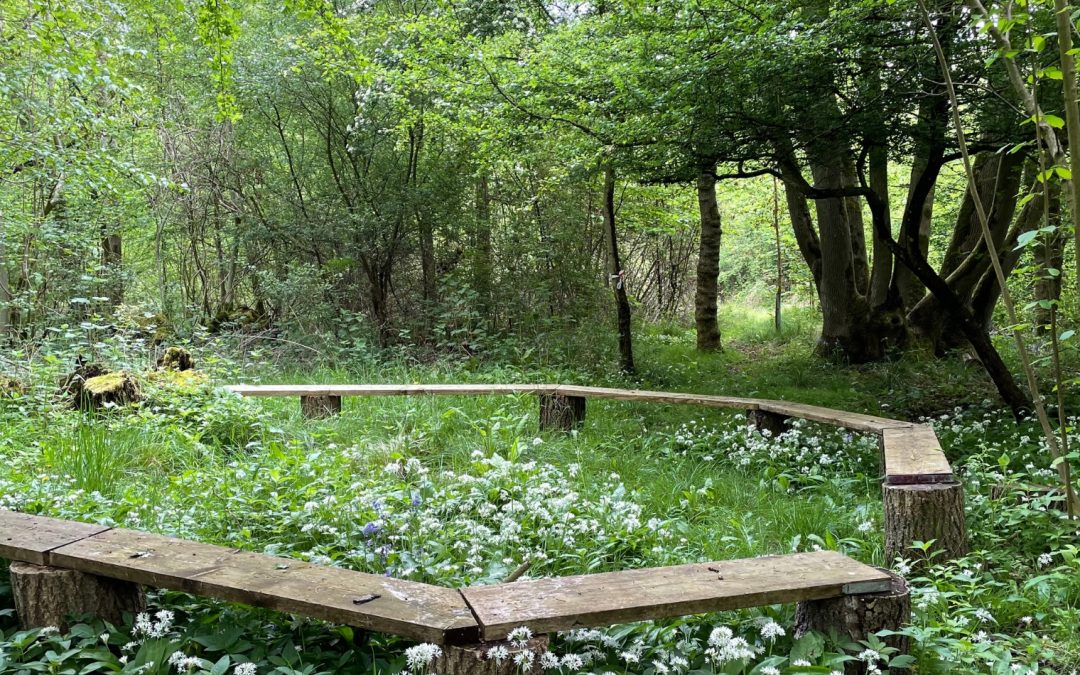
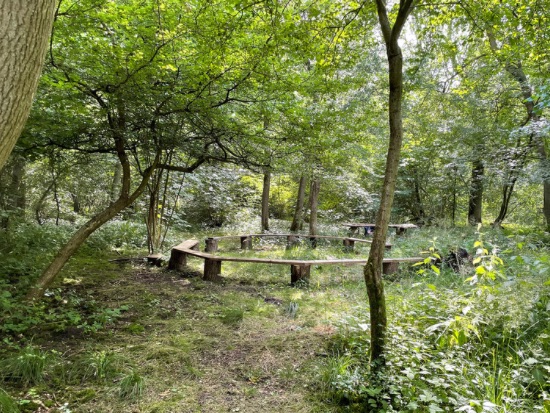
This group is based in an ancient woodland between Thrapston and Corby. However, if that’s not local to you then why not do a search and see what might be available in your area.

Here’s some feedback from the Wellbeing Wednesday group

“I leave my troubles at the gate”

“As soon as I get ouf of the car and start walking up the track my whirring mind quietens and I feel a sense of being able to breathe more easily”.

 If you’re suffering from anxiety or low mood as a result of a life event or personal health issue you are dealing with, please get in touch for more personalised guidance. I offer a free, no obligation, 30-minute session online to talk through potential therapeutic options to help you navigate what you are dealing with.


Enquiry for free 30 minute session

2 + 15 =

woman head and shoulders
CNHC logo

Book a free 30 minute discovery session

6 + 5 =

Emotional regulation through nature connection

Emotional regulation through nature connection

Connection with nature brings about deeper connection with self

This is a case study of a child who was expressing anger in unhelpful ways. Names have been changed, to maintain confidentiality.

Max got angry very easily, struggled to control his emotions and even small things could make him lose his temper. His parents had tried various ways to try and help him but were feeling pretty exhausted and overwhelmed themselves with failing to find successful strategies to lower the angry outbursts from their son that were both verbal and physical.

However, what Max’s parents had noticed was that when Max was outdoors he seemed more settled and happier in himself, so they started researching into therapists who worked with children outdoors. That’s how they came across me, as someone who works using the outdoors in a therapeutic capacity, to bring about emotional regulation through nature connection.

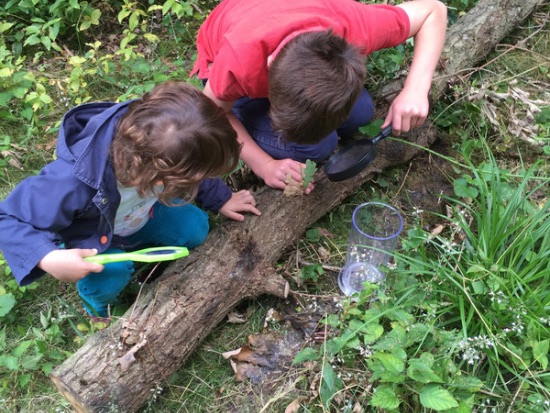
Max was initially reluctant to engage with coming along to therapy sessions in a woodland, but once he arrived, he was entranced by the wildness of the wood, the animal tracks he could follow and the opportunities for all kinds of fun such as fire making and den building. What Max found, over a period of just a few sessions, was that just being in the wood made him feel better inside. What was happening was that his emotions were soothed by his senses being engaged with nature, resulting in Max feeling a lot calmer and more at peace with himself.
 

Nature connection delivers a sense of joy

In one therapy session, as we were wandering through the woods, Max saw a deer with a young fawn and he was truly awestruck by the experience. He went home and started finding out more about the type of deer it was and all about them as a species. His parents were amazed at how Max not only became engrossed in what he was doing, which was something he usually struggled with, but how his general manner at home seemed calmer and not so prone to fly into his usual rages. Max just seemed happier and more content in himself, for longer periods of time at home, than had been the case previously.

What had happened was that Max had, through connecting with nature, learned about the pleasure and joy of relaxation and bringing focussed attention to the present moment. Once Max was able to access a more relaxed state he became more open to other therapeutic treatments, including IEMT (Integrated Eye Movement Therapy) to process memories that were effecting unhelpful emotions. IEMT was the therapy used to help Max explore how he came to feel the way he did, with a view to helping him reduce his emotional dysregulation.

Working with the parents was also part of the therapy treatment programme, providing them with strategies to use to help both Max and themselves. Changing behaviour was effected first through learning to relax in nature, followed by a more formalised therapy treatment programme suited to the particular need of both child and parent(s).

Find out more about how nature connection could help your child

The 20 acre woodland where I work is privately owned with no public access and is located near the town of Thrapston, in East Northamptonshire. f you think nature connection sessions could be helpful to your child then please get in touch by phoning or messaging me, Susan Collini, on 07483 234109, or use the contact form below and I will get back to you.
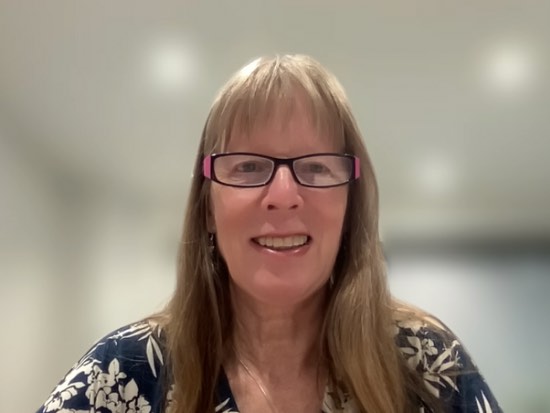

 

woman head and shoulders
CNHC logo

Book a free 30 minute discovery session

14 + 14 =

Originally posted 2023-08-26 16:35:13.